
According to a recent report from GlobalData, Bangladesh’s solar capacity is expected to grow from around 1.3 GW in 2025 to approximately 8.5 GW by 2035, marking more than a sixfold increase over the next decade. Total renewable energy capacity in the country is also projected to approach 9 GW during the same period.
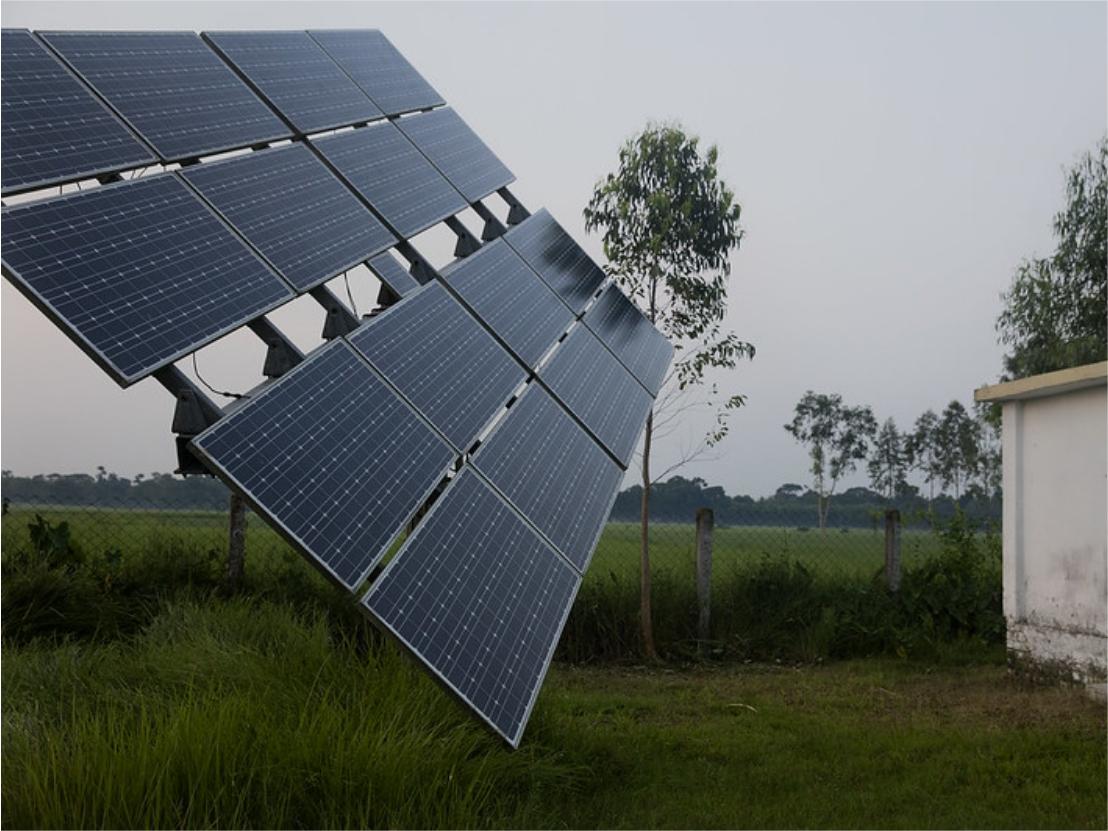
GlobalData analyst Mohammed Ziauddin noted that solar energy is expected to remain the main driver of renewable expansion in Bangladesh due to its scalability and ability to adapt to local conditions. However, the overall pace of renewable deployment is still expected to be gradual because of structural and system-level limitations.
One of the most important shifts highlighted in the report is the transition from rural off-grid systems toward grid-connected and distributed solar generation.
Bangladesh’s solar market initially expanded through the well-known Solar Home System program, which supported rural electrification through microfinance networks and private-sector participation. Today, growth is increasingly being driven by commercial and industrial rooftop solar projects supported by net metering policies.
At the same time, utility-scale solar development continues to gain momentum through government incentives such as tax holidays, import duty exemptions, and VAT reductions for solar equipment.
Due to Bangladesh’s high population density and limited land availability, developers are exploring alternative solar deployment models. These include floating solar projects, solar-powered irrigation systems, and public-private partnership frameworks that enable the use of government-owned land for renewable energy development.
Bangladesh has also accelerated solar procurement activity in recent months.
In January 2026, the country’s power authorities signed solar power purchase agreements totaling 523 MW. In April 2026, a new 77.6 MW solar tender was launched. Earlier, in March 2025, Bangladesh initiated a massive 2.65 GW solar tender, which remains the country’s largest single-round solar procurement to date.
These developments reflect the country’s growing commitment to expanding solar generation capacity while diversifying its energy mix.
Despite the strong outlook for solar, thermal power is expected to remain dominant in Bangladesh’s electricity sector. Gas-fired generation capacity is projected to increase from approximately 15.3 GW in 2025 to around 20.1 GW by 2035, while coal-fired capacity could reach about 7.7 GW.
Meanwhile, the Rooppur Nuclear Power Plant is expected to contribute roughly 2.2 GW of nuclear generation capacity by 2035.
As Bangladesh continues to expand its renewable energy sector, solar power is expected to play an increasingly important role in supporting energy demand, improving energy access, and advancing the country’s long-term energy transition.

it is currently one of the largest exporters of photovoltaic products in China.
 IPv6 network supported
 English