
According to the latest report from the International Renewable Energy Agency, global renewable energy capacity additions reached 692 GW in 2025, with solar accounting for the majority of new installations.
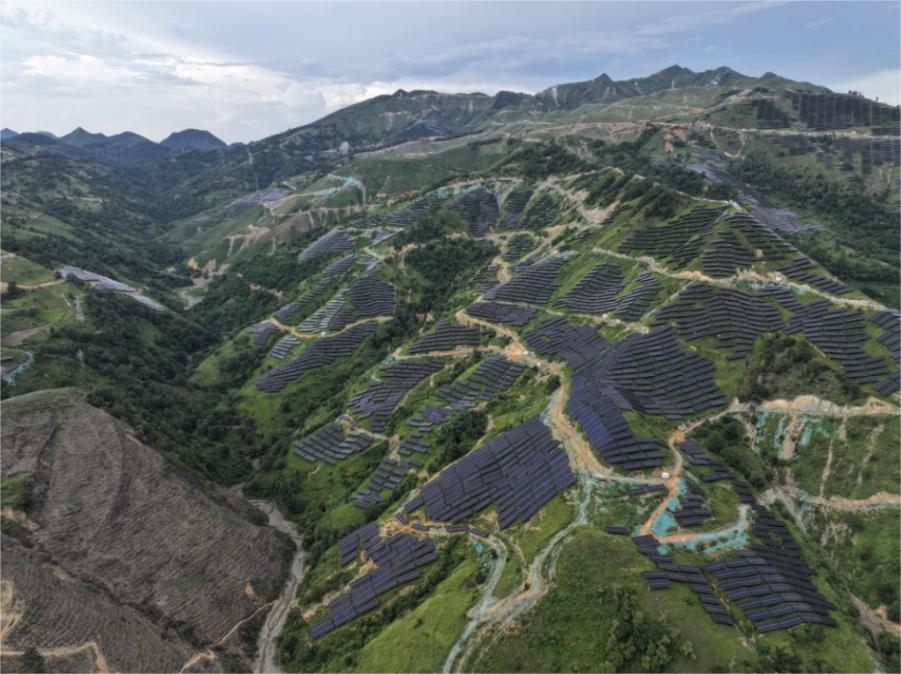
Data from Renewable Capacity Statistics 2026 shows that global solar additions climbed to a record 511 GW, making it the fastest-growing renewable energy source of the year. Solar alone contributed around 75% of total renewable capacity additions, underscoring its dominant role in the global energy transition.
This marks a new all-time high for both solar and total renewable additions, surpassing the previous records of 452 GW (solar) and 585 GW (renewables).
By the end of 2025, total global renewable power capacity reached 5.14 TW, representing 49% of total installed power capacity worldwide, with solar accounting for approximately 2.4 TW.
Renewables made up 85.6% of all new power capacity additions in 2025, slightly lower than the 92.5% reported the previous year, but still reflecting strong growth momentum.
Regionally, Asia remained the leading driver, contributing 74.2% of global renewable additions. Meanwhile, Africa and the Middle East recorded their highest-ever annual growth rates, increasing by 15.9% and 28.9%, respectively.
In contrast, growth in other regions lagged behind. Central America and the Caribbean reported just 21 GW of total renewable capacity, highlighting persistent regional disparities and the vulnerability of low-renewable economies.
IRENA noted that geopolitical tensions and concerns over energy security and fossil fuel price volatility are reinforcing the urgency to expand renewable energy deployment. Increasing the share of renewables can help countries reduce exposure to global fuel market fluctuations.
Francesco La Camera, Director-General of IRENA, emphasized that despite global uncertainties, renewable energy expansion continues to demonstrate resilience and strong market preference.
He added that accelerating the deployment of both utility-scale and distributed renewable systems is essential. A more decentralized energy system with higher renewable penetration can enhance resilience, strengthen energy security, and improve long-term competitiveness.

it is currently one of the largest exporters of photovoltaic products in China.
 IPv6 network supported
 English